Uttarakhand

Uttarakhand

Uttarakhand


Ideal duration: 4 – 15 days

Best Time: September to June

Major Airports: Dehradun


The place that is known for immaculate beauty and religion, Uttarakhand is a Himalayan territory of North India, broadly known as Devbhumi (or the Land of the Gods). Cut out from Uttar Pradesh, the state, some time ago known as Uttaranchal, is a spot that not just gloats of a sparkling perspective on the Himalayas yet additionally shows a social ethos which discusses consonant conjunction with nature.


Uttarakhand is a famous travel location, as it is the beginning spot of the Ganga and the Yamuna, two of the most sacrosanct waterways for Hindus. Uttarakhand is home to the Char Dhams, the four most heavenly destinations of journey adored by the Hindus – Gangotri, Yamunotri, Kedarnath, and Badrinath. A huge number of voyagers visit Uttarakhand every year to honor the Char Dhams.


With birches, silver firs, oaks, and rhododendrons embellishing the lofty mountain slants, Uttarakhand offers you a look into an untainted and unspoiled world. Bragging charming perspective on the Himalayas and social ethos that discusses shortsighted living amid nature and concordance – Uttarakhand is a place where there are wonderful natural beauty and tranquil spirituality. Furthermore, to top, it is the accessibility of various cannot-miss encounters extending from water sports to the ashrams where you can interface with your soul.


Uttarakhand has everything coming up for any visitor who is challenging to confront statures of the Himalayas, sufficiently insane to sail on the snow, amply sharp to explore oneself. With some sublime spots to visit in Uttarakhand, there’s no explanation you ought to be a piece of the urban granulate for over 2 months at a stretch!
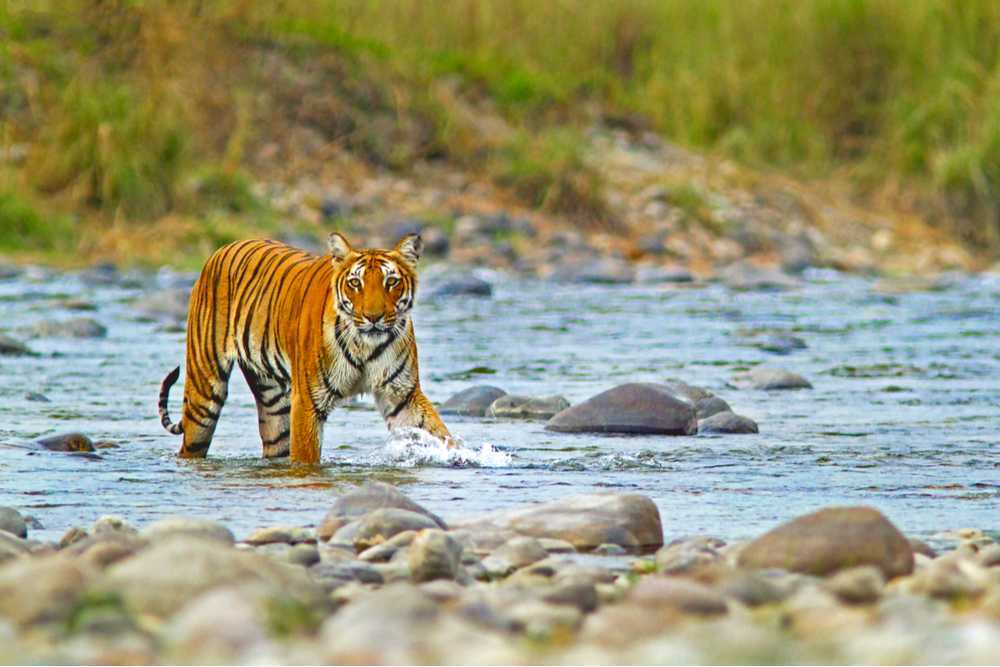
Corbett National Park:

One of India’s most well known national parks, Corbett National Park is named after hunter turned-conservationist Jim Corbett. It has dense forests and a variety of wildlife, even though tiger sightings aren’t as normal as some different places in India. The park can be investigated by jeep or elephant safaris, which occur daily in the early mornings and evenings. The Dhikala zone of the park is the most all-encompassing, with dazzling valley views. It offers the most obvious opportunity with regards to animal sightings (which are sadly some of the time baffling). In case you’re fortunate, you may spot wild elephants.


Area: About 5 hours drive upper east of Delhi

Haridwar:

Ancient Haridwar (the “Gateway to God”) is one of the seven holiest places in India, and one of the most seasoned living urban areas. Situated at the foothills of the Himalayas in Uttarakhand, it’s especially well known with Hindu explorers who come to take a dunk in the sacred waters of the quick streaming Ganges River and wash away their transgressions. The night Ganga Aarti holds an extraordinary intrigue.

Area: About 4.5 hours drive upper east of Delhi.

Rishikesh:

Rishikesh, found not a long way from Haridwar, is as well known with western spiritual seekers as Haridwar is with Hindu pioneers. Known as the origination of yoga, individuals rush there to meditate, do yoga, and find out about different aspects of Hinduism in the different ashrams and yoga centers. Notwithstanding the increasing number of guests, the town’s paths and back streets hold an old-world appeal. It stays a magnificent spot to unwind and loosen up among nature.

Area: 40 minutes drive upper east of Haridwar.

Nainital:

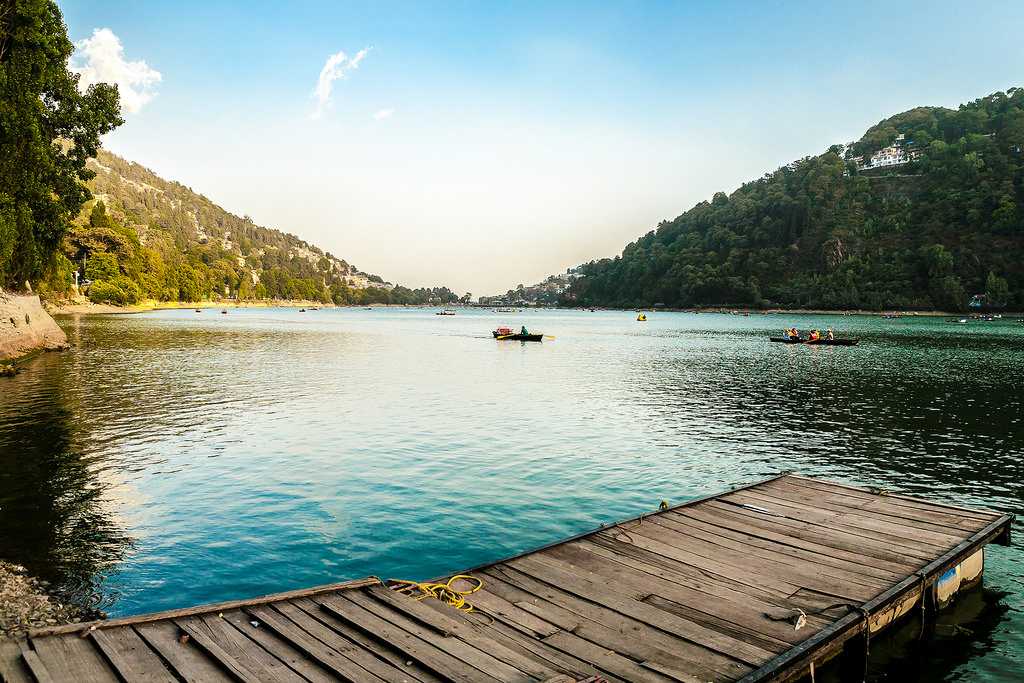
The hill settlement of Nainital, in the Kumaon locale of Uttarakhand, was a well-known summer retreat for the British during the time they controlled India. It highlights emerald-hued Naini Lake and an action-filled strip called The Mall, which includes restaurants, shops, hotels, and markets. Appreciate one of the many forest strolls, discover the surroundings riding a horse, or unwind on a boat in the lake. This location becomes busy during summers, particularly on ends of the week, because of its nearness to Delhi. Around Nainital, you’ll discover Jeolikote, Bhimtal, Ramgarh, and Mukteshwar which are on the calmer spots to lodge and less developed.


Area: About 6 hours drive east of Delhi.

Mussoorie: Mussoorie is another very mainstream weekend trip for north Indians, just as honeymooners. One of the fundamental purposes behind this is because it has many services built particularly for travelers. Take a linked vehicle to Gun Hill, appreciate an excellent nature stroll along Camel’s Back Road, enjoy a picnic at Kempty Falls, or ride a horse up to Lal Tibba (the most elevated top in Mussoorie). Mussoorie likewise offers an amazing perspective on the Himalayas. In case you’re searching for a calmer option close by, look at Landour.

Area: About 6 hours drive north of Delhi and an hour from Dehradun (Uttarakhand’s capital).

Almora:

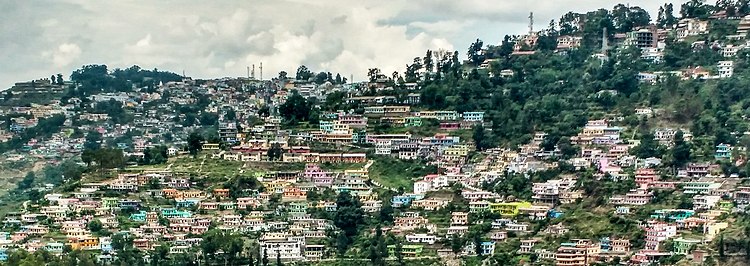
Almora, presently the capital of the Kumaon area, was set up as the summer capital of Chand lords in 1560. It pulls in a lot of outsiders who head to nearby Kasar Devi Temple, where Swami Vivekananda pondered. There are some chilled out spots to live in the territory, for example, Kasar Rainbow Resort and Mohan’s Binsar Retreat, just as reasonable guesthouses with private houses simply outside Almora town. Around Almora, you’ll discover the Binsar Wildlife Sanctuary, Kausani (where Gandhi invested energy composing his Bhagavad Gita treatise), Ranikhet and the Jageshwar temple complex.

Area: About 8 hours drive upper east of Delhi.

Valley of Flowers National Park:

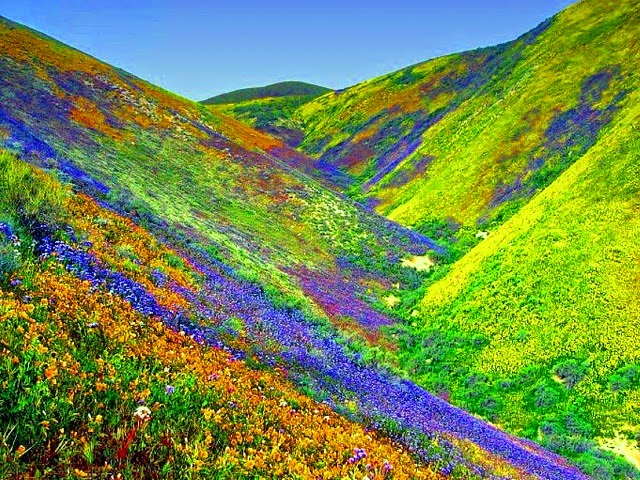
The wonderful scene of The Valley of Flowers National Park in the Gharwal becomes lively in monsoon. This high-height Himalayan valley has around 300 distinct assortments of alpine flowers, which show up as a splendid carpet of colors against a mountainous snow-topped foundation. It’s a well-known trekking goal, open from the beginning of June until late October.

Area: About 13 hours drive upper east of Delhi, in addition to a trek.

Char Dham:

Located high up in the Garhwal district of Uttarakhand, the Char Dham (four sanctuaries) mark the profound wellspring of four blessed waterways: the Yamuna (at Yamunotri), the Ganges (at Gangotri), the Mandakini (at Kedarnath), and the Alaknanda (at Badrinath). Hindus consider a journey to the Char Dham to be exceptionally propitious. Not exclusively is it accepted to wash away all sins; however it will likewise guarantee release from the cycle of birth and death.

Auli:

Uttarakhand even has a skiing site! Auli lies while in transit to Badrinath and has a 3-kilometer long slant, gondola, chairlift, and Poma ski lift. For skiing, conditions are best from the end of January to early March. Notwithstanding, it depends on snowfall, which is variable. In case you’re into trekking, the Kuari Pass trailhead is at Auli. This trek, which goes through Nanda Devi National Park, is one of the state’s ideal and generally accessible. Thrillophilia offers six-day guided tours from Haridwar. There are numerous other climbing trails around as well.

Lodging alternatives in Auli are rare yet Devi Darshan Lodge is prescribed if you don’t wish to stay at the well known government-run Garhwal Mandal Vikas Nigam Hotel (which offers ski programs). On the other hand, the Himalayan Abode Homestay next to Joshimath is great, and the host is a skiing and snowboarding champion and mentor. Another great alternative is the Himalayan Eco Lodge.

Area: About 13 hours drive upper east of Delhi, near Joshimath.

Munsiyari:

Magical Munsiyari, a humble community encompassed by transcending mountains in the Pithoragarh area of Uttarakhand, is heaven for mountaineers and trekkers. Blasting dusks make a dazzling background of color-stained peaks there. Nonetheless, climbing and trekking courses are the greatest draws. Munsiyari is the base for the difficult eight-day Milam Glacier Trek, and a lot simpler 2-3 hour trek to Khalia Top is another fascination. The Tribal Heritage Museum, loaded up with antiques from Munsiyari’s exchange with Tibet on the old salt course, is additionally worth seeing. Milam Inn, albeit basic, is the best spot to remain in Munsiyari and it offers remarkable mountain views from the rooms.

Area: About 16 hours drive upper east of Delhi.

Chopta:

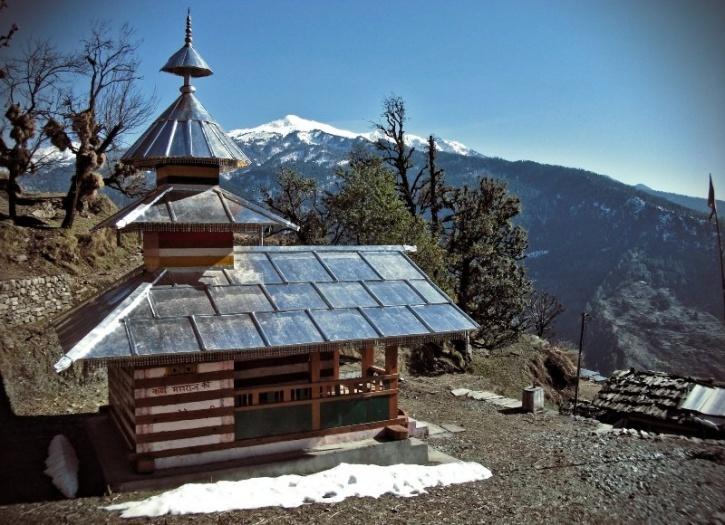
Not to be mistaken for the Chopta Valley in Sikkim, Chopta lies among Kedarnath and Badrinath in the Garhwal area of Uttarakhand, at the passage to Kedarnath Wildlife Sanctuary. It draws in explorers who need to appreciate nature away from chaos and development. Chopta is the beginning stage for treks to Tungnath sanctuary (open from June to September) and the Chandrashila summit. It’s a short, yet grand, moderate trek that can be finished in a day. Eminently, the sanctuary is the world’s most noteworthy Shiva sanctuary. Thrillophilia offers four-day guided tours from Haridwar.


Area: About 10 hours drive upper east of Delhi, through Rishikesh.

Kalap:

It’s believable that you’ve never known about Kalap, a little remote town that is just available by the foot, 7,500 feet above ocean level in the upper Garhwal district of Uttarakhand. That is because it’s thoroughly off the traveler map. A liable travel industry venture was built up there in 2013 to help improve the employment of the locals. Kalap is an extraordinary spot to escape from everything and experience the effortlessness of town life or go trekking along trails followed by traveling shepherds.

Area: About 5 hours north of Dehradun in Uttarakhand.